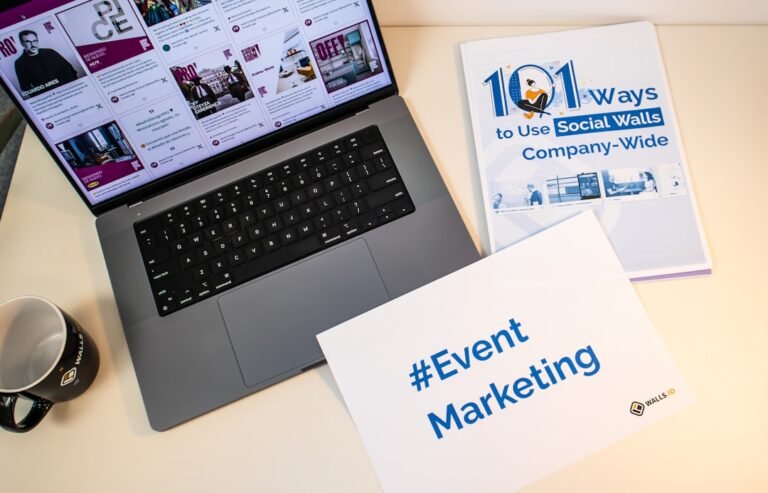

digital marketing for ecommerce
In today’s digital age, ecommerce has become an essential part of the retail industry. With the rise of online shopping, businesses are increasingly looking for effective ways to reach and engage with their target audience. Digital marketing for ecommerce is a crucial aspect of this process, enabling businesses to promote their products, build brand awareness, and drive sales. In this article, we’ll explore the world of digital marketing for ecommerce, covering the key strategies, tools, and best practices to help you succeed.
Understanding Digital Marketing for Ecommerce
Digital marketing for ecommerce encompasses a range of online marketing activities designed to promote and sell products or services through digital channels. The primary goal of digital marketing for ecommerce is to drive conversions, whether that’s making a sale, generating leads, or increasing brand awareness.
Key Benefits of Digital Marketing for Ecommerce
- Increased online visibility and brand awareness
- Targeted marketing efforts to reach specific audiences
- Measurable results and ROI tracking
- Cost-effective compared to traditional marketing methods
- Improved customer engagement and loyalty
Digital Marketing Channels for Ecommerce
To succeed in digital marketing for ecommerce, it’s essential to understand the various channels available. Here are some of the most effective channels to consider:
1. Search Engine Optimization (SEO)
SEO is the process of optimizing your ecommerce website to rank higher in search engine results pages (SERPs). This involves:
- Conducting keyword research to identify relevant search terms
- Optimizing on-page elements, such as titles, descriptions, and headings
- Building high-quality backlinks to improve website authority
2. Pay-Per-Click (PPC) Advertising
PPC advertising involves creating and publishing online ads that are paid for each time a user clicks on them. This includes:
- Google Ads (formerly Google AdWords)
- Facebook Ads
- Other platforms, such as Bing Ads and LinkedIn Ads
3. Social Media Marketing
Social media marketing involves promoting your ecommerce brand on social media platforms, such as:
4. Email Marketing
Email marketing involves sending targeted and personalized messages to your customers and prospects via email. This includes:
- Newsletters and promotional emails
- Abandoned cart reminders
- Welcome and nurture campaigns
5. Content Marketing
Content marketing involves creating and distributing valuable, relevant, and consistent content to attract and retain a clearly defined audience. This includes:
- Blog posts and articles
- Product descriptions and videos
- Infographics and guides
Digital Marketing Strategies for Ecommerce
To get the most out of digital marketing for ecommerce, it’s essential to develop a solid strategy. Here are some key strategies to consider:
1. Define Your Target Audience
Understanding your target audience is crucial to developing effective digital marketing campaigns. This involves:
- Conducting market research to identify demographics, interests, and behaviors
- Creating buyer personas to guide your marketing efforts
2. Set Clear Goals and Objectives
Setting clear goals and objectives is essential to measuring the success of your digital marketing campaigns. This involves:
- Defining key performance indicators (KPIs), such as conversion rates and sales
- Establishing a budget and resource allocation plan
3. Choose the Right Channels
Choosing the right channels for your digital marketing campaigns is critical to reaching and engaging with your target audience. This involves:
- Evaluating the effectiveness of each channel
- Allocating budget and resources accordingly
Measuring and Optimizing Digital Marketing for Ecommerce
Measuring and optimizing digital marketing for ecommerce is crucial to achieving success. Here are some key metrics to track:
1. Conversion Rates
Conversion rates measure the percentage of users who complete a desired action, such as making a purchase.
2. Return on Ad Spend (ROAS)
ROAS measures the revenue generated by your advertising campaigns compared to the cost of those campaigns.
3. Customer Acquisition Cost (CAC)
CAC measures the cost of acquiring a new customer, including the cost of marketing and sales efforts.
Conclusion
Digital marketing for ecommerce is a complex and ever-evolving field, requiring a deep understanding of online marketing channels, strategies, and best practices. By developing a solid strategy, choosing the right channels, and measuring and optimizing your campaigns, you can drive conversions, increase sales, and grow your ecommerce business. Whether you’re just starting out or looking to take your ecommerce business to the next level, this comprehensive guide provides the insights and expertise you need to succeed.
About Relvixis: Relvixis is a Canadian-based digital agency specializing in results-driven solutions for businesses looking to grow online.
We offer expert services in SEO optimization, web development, social media management, and marketing automation.
Our team blends creative strategy with technical precision to drive leads, enhance brand visibility, and accelerate digital performance.
To learn more or schedule a free consultation, visit
relvixis.com.