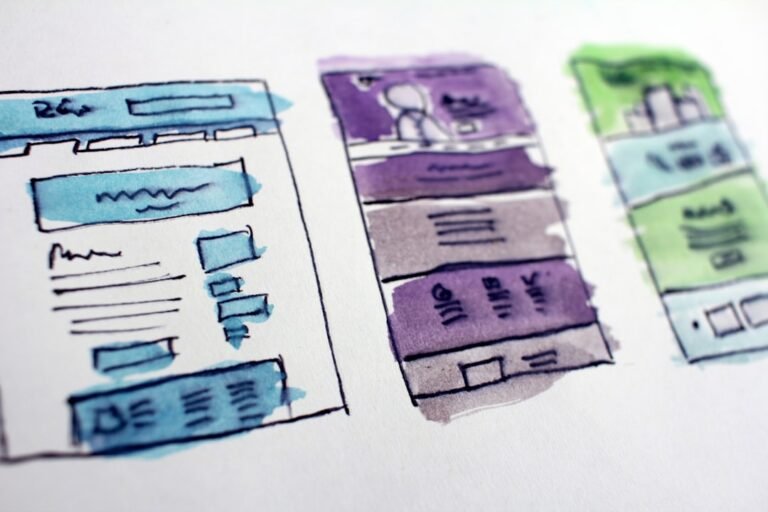

digital marketing strategy and planning
Keywords:
digital marketing strategy, digital marketing planning, online marketing strategy, marketing strategy and planning, digital marketing plan*
—
Introduction
In today’s hyper‑connected world, a **digital marketing strategy and planning** process is no longer optional—it’s the backbone of every successful brand. Whether you’re a startup, a mid‑size company, or an established enterprise, a well‑crafted digital marketing plan helps you reach the right audience, allocate budget wisely, and measure results with precision. This guide walks you through every step of building a robust digital marketing strategy, from research to execution, while keeping SEO best practices front‑and‑center.
—
Why a Structured Digital Marketing Strategy Matters
1. Aligns Business Goals with Online Efforts
- Converts corporate objectives (revenue, brand awareness, lead generation) into actionable online tactics.
2. Maximizes Return on Investment (ROI)
- Prioritizes high‑impact channels, reduces wasteful spend, and enables data‑driven optimization.
3. Enhances Customer Experience
- Provides a consistent, personalized journey across search, social, email, and paid media.
4. Enables Scalable Growth
- Creates repeatable processes that can be expanded as the business evolves.
—
Core Components of a Digital Marketing Strategy
H2: Market Research & Audience Insights
- **Buyer Personas** – Detailed profiles that capture demographics, pain points, buying triggers, and preferred channels.
- **Competitive Analysis** – SWOT assessment of key competitors’ digital presence, content gaps, and ad strategies.
- **Keyword Research** – Identify high‑volume, low‑competition terms that align with “digital marketing strategy and planning.”
H2: Goal Setting & KPI Definition
- **SMART Goals** – Specific, Measurable, Achievable, Relevant, Time‑bound objectives (e.g., “Increase organic traffic by 30% in 6 months”).
- **Key Performance Indicators (KPIs)** – Metrics such as CAC (Customer Acquisition Cost), CLV (Customer Lifetime Value), conversion rate, and ROAS (Return on Ad Spend).
H2: Channel Selection
- **Search Engine Optimization (SEO)** – On‑page, technical, and off‑page tactics to dominate SERPs.
- **Content Marketing** – Blog posts, videos, podcasts, and infographics that educate and engage.
- **Social Media** – Platform‑specific strategies for Facebook, Instagram, LinkedIn, TikTok, and emerging networks.
- **Paid Advertising** – PPC, display, retargeting, and programmatic campaigns.
- **Email & Marketing Automation** – Segmented nurture sequences and lifecycle messaging.
H2: Budget Allocation & Resource Planning
- **Zero‑Based Budgeting** – Start from zero each cycle and justify every spend.
- **Channel Mix Modeling** – Allocate funds based on historical ROI and forecasted performance.
- **Team Structure** – Define roles (strategist, content creator, analyst, paid media specialist) and decide on in‑house vs. agency support.
—
Step‑by‑Step Digital Marketing Planning Process
H3: 1. Conduct a Digital Audit
- Review website health (speed, mobile‑friendliness, crawl errors).
- Analyze existing content performance (traffic, engagement, backlinks).
- Evaluate current paid campaigns (CTR, CPC, conversion tracking).
H3: 2. Define Your Target Audience
- Build 3–5 buyer personas using surveys, CRM data, and social listening tools.
- Map each persona’s buyer’s journey stages (Awareness → Consideration → Decision).
H3: 3. Set Strategic Objectives
- Align each objective with a specific funnel stage.
Example:
“Generate 200 qualified leads per month from LinkedIn organic posts.”
H3: 4. Choose the Right Tactics
- **SEO Tactics** – Optimize meta tags, create pillar content, earn high‑authority backlinks.
- **Content Tactics** – Publish weekly blog posts, monthly webinars, and quarterly whitepapers.
- **Social Tactics** – Run weekly carousel posts on Instagram, daily LinkedIn articles, and monthly TikTok challenges.
- **Paid Tactics** – Launch Google Search campaigns targeting long‑tail keywords, retarget site visitors with dynamic ads.
H3: 5. Build a Content Calendar
- Plot topics, formats, publishing dates, and promotion channels.
- Include seasonal themes, product launches, and industry events.
H3: 6. Implement Tracking & Analytics
- Set up Google Analytics 4, Search Console, and UTM parameters for every campaign.
- Configure conversion goals (form submissions, e‑commerce purchases, newsletter sign‑ups).
H3: 7. Launch & Optimize
- Deploy campaigns in phases (pilot → full roll‑out).
- Conduct A/B tests on headlines, ad copy, CTAs, and landing page layouts.
- Review performance weekly, adjust bids, and refine targeting.
—
Essential Tools for Digital Marketing Strategy and Planning
**Keyword Research:
** Ahrefs, SEMrush, Ubersuggest
**SEO Audits:
** Screaming Frog, Sitebulb, Google Search Console
**Social Management:
** Buffer, Hootsuite, Sprout Social
**Paid Media:
** Google Ads, Meta Ads Manager, LinkedIn Campaign Manager
**Analytics & Reporting:
** Google Data Studio, Power BI, Tableau
**Project Management:
** Asana, Trello, Monday.com
—
Common Pitfalls to Avoid
- **Skipping the Audience Research** – Leads to irrelevant messaging and wasted spend.
- **Over‑Promising on ROI** – Set realistic expectations; digital marketing results often build over time.
- **Neglecting Mobile Optimization** – Mobile‑first indexing means poor mobile UX hurts rankings and conversions.
- **Ignoring Data Hygiene** – Inaccurate tracking skews insights and hampers optimization.
- **One‑Size‑Fits‑All Content** – Tailor content to each persona and funnel stage for maximum impact.
—
Future Trends Shaping Digital Marketing Strategy
- **AI‑Driven Personalization** – Real‑time content recommendations powered by machine learning.
- **Voice Search Optimization** – Conversational keywords and structured data for smart speakers.
- **Short‑Form Video Dominance** – TikTok, Reels, and Shorts as primary discovery channels.
- **Privacy‑First Marketing** – Cookieless tracking solutions and first‑party data strategies.
- **Interactive Content** – Quizzes, polls, and AR experiences that boost engagement.
—
Conclusion
A comprehensive **digital marketing strategy and planning** framework is the catalyst that transforms vague ideas into measurable growth. By grounding your plan in solid research, setting clear objectives, selecting the right channels, and continuously optimizing with data, you’ll create a resilient online presence that adapts to evolving consumer behavior and emerging technologies. Start today: audit your current assets, define your personas, and map out a strategic roadmap—your future customers are waiting to be discovered.
—
*Ready to elevate your brand? Implement the steps above and watch your digital marketing plan deliver real, sustainable results.*
About Relvixis: Relvixis is a Canadian-based digital agency specializing in results-driven solutions for businesses looking to grow online.
We offer expert services in SEO optimization, web development, social media management, and marketing automation.
Our team blends creative strategy with technical precision to drive leads, enhance brand visibility, and accelerate digital performance.
To learn more or schedule a free consultation, visit
relvixis.com.